
Common Appliance Problems in Cambridge Homes
When a refrigerator stops cooling in a third-floor walkup off Massachusetts Avenue, the clock starts fast — there is no easy way to haul groceries up and down those narrow stairs while you wait for parts. Cambridge's dense mix of apartments, condos, multifamily triple-deckers, and older single-family homes means appliance problems tend to show up in tight quarters where access is already limited.
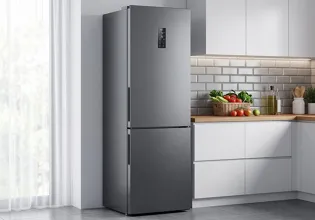
- Refrigerators that run constantly but never get cold enough — often caused by a failing compressor or condenser fan, and harder to diagnose when the unit is wedged into an alcove with almost no airflow behind it.
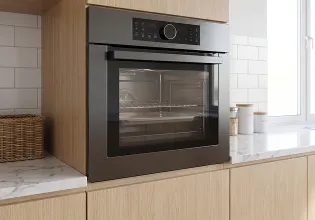
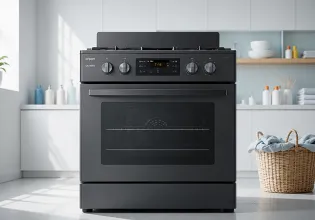
- Gas stoves or ovens that won't ignite or heat unevenly. In older Cambridge kitchens, the gas shutoff valve may be buried behind the range, making even a simple igniter swap slower than expected.
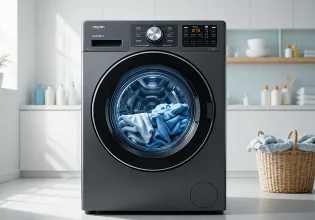
- Washers leaking onto a shared basement floor — a common call in multifamily buildings where one slow drain backs up water toward a neighbor's storage area.
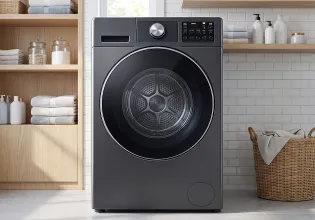
- Dryers that take two or three cycles to dry a load, usually because the vent run snakes through a long basement corridor or exits through a masonry wall that traps lint buildup over time.
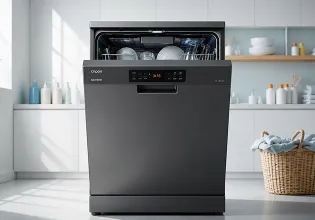
- Dishwashers that leave standing water at the bottom of the tub. Worth checking the drain hose loop first; in many Cambridge kitchens the dishwasher sits far from the sink and the hose sags.
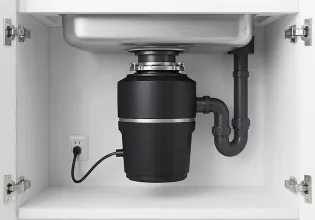
- Garbage disposals that hum but won't spin — sometimes just a jam, but in buildings with older cast-iron drain lines the real problem is downstream.
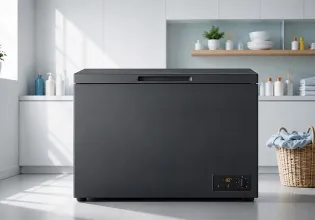
- Freezers that frost over heavily or start warming, especially chest freezers tucked into unheated porches or back hallways where temperature swings are wide.
Local Utility, Permit, Safety, and Disposal Factors in Cambridge
If a repair turns into a replacement, or if the job involves disconnecting and reconnecting gas, water, or electrical lines, Cambridge has its own set of rules you need to know before anyone picks up a wrench.
Permits and Licensed Contractor Requirements
The Cambridge Inspectional Services Department administers gas, electrical, and plumbing permits for all work performed in the city. Replacing a gas stove? The installer has to pull a gas permit from Cambridge ISD before the new unit gets connected. Swapping a hardwired electric dryer or range requires an electrical permit. Hooking up a new dishwasher or washing machine that touches water supply or drain lines means a plumbing permit. These are not optional steps — ask your contractor to confirm the permit number before work begins. You can verify permit requirements through Cambridge Inspectional Services Department permits.
Massachusetts state law reinforces this at every level. Under the Massachusetts State Plumbing Code (248 CMR), all plumbing and gas fitting work — including appliance connections — must be performed by a licensed plumber or gas fitter, and permits must be obtained before work starts. The Massachusetts Electrical Code 527 CMR 12 requires a licensed electrician and an electrical permit for hardwired appliance installations. In Cambridge, those electrical permits are issued through the Inspectional Services Department. If a contractor tells you permits aren't needed for a gas range swap or a hardwired dryer hookup, that is a red flag.
Inspectional Services Department
831 Massachusetts Avenue
Cambridge, MA 02139
Phone: 617-349-6100
Official Website
Fire Safety and Dryer Vents
Cooking appliances — stoves and ovens — are among the leading causes of residential fires tracked by the Cambridge Fire Department. A burner that won't shut off or an oven with a faulty thermostat is not just an inconvenience; it is a safety issue. Gas appliance installations in Cambridge must comply with fire prevention requirements enforced by the Cambridge Fire Department fire prevention bureau.
Dryer vents deserve their own mention. In many Cambridge multifamily buildings, the dryer sits in a basement and the vent runs horizontally through a wall or up through multiple floors. That long run collects lint faster than a short, straight exhaust would. Blocked vents overheat the dryer and create a fire risk. If your dryer takes noticeably longer to finish a cycle, check the vent before assuming the heating element is bad.
Water and Sewer Connections
Cambridge receives its drinking water and sewer service through the Massachusetts Water Resources Authority water and sewer service, which draws from the Quabbin and Wachusett reservoirs. Every dishwasher, washing machine, and garbage disposal in the city connects to this regional system. When a washer drain backs up or a dishwasher supply valve leaks, the problem is inside your building's plumbing — but it feeds into MWRA-managed lines. If a repair involves modifying water supply or drain connections, that work falls under the state plumbing code and requires a Cambridge plumbing permit.
Appliance Disposal
You cannot just drag a dead refrigerator to the curb on trash day. Cambridge requires residents to schedule a bulky item pickup appointment with the Department of Public Works before any large appliance goes out. Refrigerators and freezers containing refrigerants need special handling and are accepted through this program. Appliances left at the curb without a scheduled appointment will not be collected, and you may receive a violation. Schedule your pickup through Cambridge Department of Public Works bulky item pickup before the old unit comes out of the kitchen.
What Makes Appliance Repair in Cambridge Different
Cambridge packs dense multifamily housing, older building stock, and strict city-level permitting into roughly seven square miles. A gas range replacement in a Cambridgeport triple-decker is not the same job as in a suburban single-family home — the installer has to pull a Cambridge gas permit, coordinate with the building owner, and sometimes navigate a narrow rear stairway just to get the old unit out. The city's Inspectional Services Department handles gas, electrical, and plumbing permits separately, so a single appliance swap can trigger more than one permit depending on how the unit connects.
Disposal adds another layer. Unlike towns where you can leave an old washer at the curb on bulk pickup day, Cambridge requires a scheduled appointment through DPW — and refrigerant-containing appliances like refrigerators and freezers go through special handling. Skipping that step risks a violation. For homeowners weighing repair versus replacement, knowing that the replacement path involves permits, licensed tradespeople, and a scheduled disposal appointment often tips the decision toward repairing what you already have, at least when the fix is straightforward.
Appliance Replacement and Household Equipment Considerations in Cambridge
When repair no longer makes sense — the compressor is gone on a fifteen-year-old fridge, or the control board on a washer costs more than a new machine — the next steps in Cambridge are more involved than just ordering a replacement online.
Start with the old appliance. You will need to schedule a Cambridge Department of Public Works bulky item pickup appointment before the unit goes to the curb. This applies to refrigerators, freezers, washers, dryers, dishwashers, stoves, and ovens. Refrigerant-containing units require special handling. Do not set anything out without a confirmed appointment — the city will not collect it, and you could face a fine.
Next, think about what the new appliance connects to. If you are replacing a gas stove with another gas stove, the installer needs a gas permit from Cambridge ISD and must be a licensed gas fitter under state law. Switching from gas to electric (or vice versa) usually involves both a gas permit to cap the line and an electrical permit for the new circuit. A new dishwasher that requires changes to the water supply or drain line triggers a plumbing permit. Before the delivery truck arrives, confirm with your installer that they have the right licenses and will handle the permit. Condo owners should also check with their building management — some Cambridge condo associations require advance notice or elevator reservations for large appliance deliveries.
Massachusetts Consumer Protection Law Chapter 93A prohibits unfair or deceptive practices in trade, including appliance repair and installation services. If a contractor misrepresents the work needed, skips required permits, or charges for parts that were never installed, Cambridge residents can file a complaint with the Attorney General's office. The law allows consumers to seek double or triple damages for willful violations. Ask for written estimates and keep your receipts.
Department of Public Works — Recycling and Rubbish
147 Hampshire Street
Cambridge, MA 02139
Phone: 617-349-4800
Official Website
Areas We Serve Throughout Cambridge
The City of Cambridge is officially divided into thirteen neighborhoods, each with its own housing mix and access quirks that affect appliance work. We serve all of them. Here are some of the areas where we work most often, based on the Cambridge official neighborhood map:
- East Cambridge — Heavy on multifamily buildings with shared basement laundry hookups. Washer drain problems here often trace back to old galvanized pipes that have narrowed over decades.
- Cambridgeport — A mix of triple-deckers and newer condos. Getting a full-size refrigerator up a narrow back stairway in an older building usually means removing the doors from both the fridge and the doorframe.
- The Port — Compact apartment kitchens where the dishwasher, stove, and sink crowd together. Limited clearance behind the range makes gas line access tighter than most technicians expect.
- Mid-Cambridge — Older single-family homes and converted multifamily properties, often with original electrical panels that may not support a modern electric dryer without a circuit upgrade.
- Wellington-Harrington — Dense residential blocks where street parking for a service van can be a challenge. We usually plan extra time for access on these calls.
- North Cambridge — Dryer vent runs tend to be longer here in the two- and three-story buildings; worth checking vent condition before assuming the dryer itself is failing.
- Riverside — Mostly residential with a mix of older homes. Garbage disposal jams are a frequent call — many kitchens still have original plumbing that does not handle disposal waste as smoothly as newer setups.
- West Cambridge — More single-family homes with slightly larger kitchens, but many still have gas cooking. If you are replacing a gas range, the shutoff valve location varies widely from house to house.
- Cambridge Highlands — Quieter pocket with older housing stock. Freezer issues come up often in basements and garages where seasonal temperature swings push the unit harder.
- Strawberry Hill — Residential area where we often see aging washers in basement utility rooms. The floor drain is usually nearby, but if it is slow, a washer overflow can spread fast.
- Agassiz — Close to Harvard Square, with a mix of condos and older apartments. Condo rules sometimes require scheduling appliance work around building quiet hours or reserving the elevator for large deliveries.
- Neighborhood Nine — Family-oriented area with a range of housing ages. Oven repairs here often involve units that have been in place for a long time — replacement parts can be harder to source for older models.